Man With Van in Freezywater

Man With Van Freezywater provides a practical removals service for homes, flats and business premises in Freezywater. The work is centred on moving items safely, loading them with care and transporting them in a suitable van, with the scope shaped around the items, access and destination rather than a one-size-fits-all approach. For customers who need help with part loads, complete room moves or single bulky pieces, it is a straightforward way to arrange transport without overcomplicating the job.
Our service can support local moves, short-distance relocations and collection work where a larger vehicle or extra handling is useful. Furniture, boxes, household goods and equipment can all be managed within the same booking where that is appropriate, and the aim is to keep the process clear from the first enquiry to the final drop-off. If you are comparing options, the man and van service page is a useful starting point for understanding the core format.
Tell us what needs moving, where it is going and whether there are stairs, narrow access points or larger items to consider. A simple description is usually enough to begin planning, though a fuller inventory helps when the load includes awkward furniture or several pickup points. If you are ready to take the next step, make a note of the details and request a quotation.
House moves handled with care
Home moves often need a balance of capacity and flexibility, especially when the property size does not justify a full-scale removals operation but the load is still more than a car can manage. Our home moves service is suited to that kind of work, with attention paid to protecting furniture, keeping items organised and making sure the right vehicle is used for the amount of belongings involved. That helps reduce unnecessary back-and-forth and keeps the move structured.
We can move mixed household items such as beds, tables, white goods, boxed contents and small assembled furniture, provided the load is practical for the vehicle and access. If you are relocating from a flat, a terraced house or a property with limited parking, it helps to think about route, loading space and any dismantling that may be needed. For broader domestic removals, see the house removals page, which sets out a fuller home moving option.
Useful information for a quote is simple: the collection and drop-off locations, the size and number of items, any handling concerns and whether you need help at both ends. It is also worth noting if the move includes fragile items, garden objects or furniture that may need disassembly before loading. In a small or medium move, that extra detail often makes the plan more accurate and the day easier to manage. Clear access details are especially helpful when parking is tight.
Domestic removals for fuller loads

Some customers need more than a simple van journey and want a service that can cope with the demands of a fuller domestic load. Our house removalists page reflects that wider need, with support for removal work that may involve multiple rooms, heavier furnishings and a more deliberate loading order. The emphasis stays on organised transport and careful handling, rather than a rushed one-off pickup, so the move remains manageable even when there is a lot to coordinate.
The domestic removals side of the business can suit moves where wardrobes, sofas, dining sets and stacked boxes all need to travel together. It is especially useful when you want a single planned load rather than splitting the work across different trips. If you are comparing service formats, our house movers page may also help because it explains a similar domestic moving approach from a slightly different angle and can be used to judge which option fits the job better.
When preparing for a quotation, it helps to separate what must go on the van from what can be left until later, particularly if you are moving from a furnished property or only changing part of your household contents. Marking out the items that need extra protection can also be useful. A short list of the largest items, together with any access notes, usually gives enough information to assess the work properly. If the move includes several categories of belongings, mention them together rather than sending them piecemeal.
Movers for flexible local transport
The movers page is relevant when you want a flexible moving service that can be adapted to different jobs instead of a narrow single-purpose collection. This may include carrying furniture between homes, transporting purchases from one property to another, or helping with items that do not fit into ordinary vehicle use. The key point is that the move is planned around the load, so the service remains practical whether the job is light, medium or more involved.
In many cases, customers want the reassurance of having items handled in a sensible order, with heavier pieces loaded first and more delicate possessions secured afterwards. That is where a van-based moving setup can be effective: it offers enough capacity for typical domestic work while staying agile for local routes and restricted access. When an item or group of items needs particular attention, it is better to describe that early so the moving plan reflects the real shape of the work.
For related transport needs, you may also want to review moving van and moving truck, both of which can help explain the difference between vehicle-led options and broader moving support. Those pages are useful if you are weighing up capacity and load type, especially when the move involves heavier pieces or awkward dimensions. If you are gathering quotes, keep the same details consistent across each enquiry so the comparison is meaningful.
Office and commercial relocation support
Not every job is a household move. Businesses often need a straightforward way to move desks, chairs, boxed records, small fittings or stock between premises, and the commercial moves page covers that kind of work. A commercial move benefits from practical organisation because even a modest office relocation can be disrupted if equipment, paperwork or furniture is not loaded and delivered in the right order.
Our office relocation services and office removals pages are helpful if you are moving a workspace rather than a home. Office items are often lighter than domestic furniture but more sensitive in terms of timing, labelling and placement. A careful approach can help keep essential desks, monitors, storage and supplies together, while allowing less urgent items to travel separately if needed.
If you are arranging a workplace move, think about the number of staff areas involved, whether furniture needs to be dismantled and whether there is lift or loading-bay access at either end. It also helps to say if the move must happen outside normal hours or in stages, because that changes the route planning and the load sequence. The clearer the information, the easier it is to shape the quote and the moving plan.
Packing, loading and collection options

Some customers want transport only, while others prefer a little more help with the build-up to moving day. The packing and unpacking services page is useful where the job needs extra preparation or a more complete handover at destination. Packing support can make sense when the contents are mixed, fragile or time-sensitive, and unpacking can help when you want the receiving space organised sooner rather than later.
For single items or grouped pieces that need moving from shops, storage units or private properties, the furniture pick-up service may be more relevant. It is well suited to collections where the main task is safe lifting, sensible vehicle use and delivery to the right address without unnecessary delay. If the load includes both furniture and boxes, the best option is often to describe the whole load as one job so the space and handling needs are judged together.
When arranging either type of work, keep the description practical. List the number of items, mention whether they are assembled or flat-packed, and note anything that might affect lifting such as stairs, narrow hallways or soft flooring. If there is a time window, include that too, but avoid overcomplicating the enquiry. A concise note is usually enough to start, and the final plan can then be refined once the main items are understood. Order and access matter more than long explanations.
About Freezywater
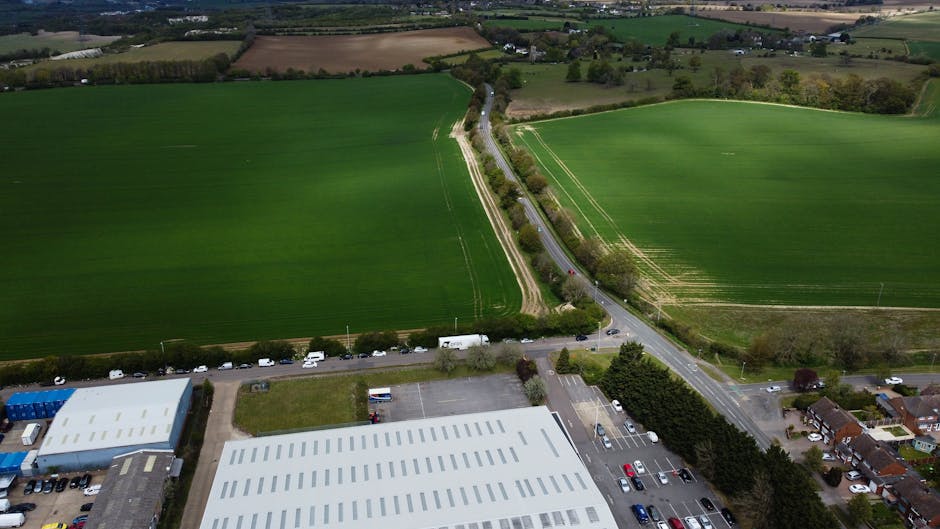
Freezywater is a district in the northern part of Enfield, within Greater London, and it sits close to the edge of the urban area where residential streets give way to roads, industrial estates and open green space. The name is traditionally associated with a local water source or spring, and the area’s development has been shaped by the wider growth of Enfield and nearby transport routes. Over time, the district has become part of a varied suburban landscape rather than a standalone settlement, which means its character is shaped by local estates, older routes and everyday movement between neighbourhoods. Nearby landmarks include Enfield Lock, the Lee Navigation and the wider Lea Valley corridor, all of which contribute to the geography of the area. The River Lee and its associated waterways have long influenced settlement, industry and transport in this part of north London, while green spaces such as Albany Park and other riverside or linear open areas offer a contrast to the built environment. Freezywater also sits within reach of Enfield’s broader shopping, civic and community facilities, so it forms part of a network of local places rather than a single compact centre. Architecture in the district is varied, with housing from different periods alongside commercial premises and smaller industrial sites. That mix gives the area a practical, layered feel, and its setting reflects the wider history of north Enfield as land use has changed from rural edges to suburban and mixed urban development.
Vehicle choice, access and load planning

Choosing the right moving vehicle is not just about size. It is about how the load will be stacked, whether items can be kept secure and how the route and access points affect the overall job. Our removal van and removals van pages are relevant where the emphasis is on a dedicated moving vehicle that can handle domestic or small business loads with more flexibility than a standard car-based transport solution.
For customers comparing different service descriptions, the broader removal services page gives context on how moving work can be shaped around the scale of the job. Meanwhile, removals and removal company can help when you are trying to understand the overall category of work rather than a single vehicle type. Those pages are useful if you want to judge whether your move needs transport only or a more complete relocation service.
Planning around access is often the difference between a tidy move and a difficult one. Think about loading distance from the door, parking availability, stair width, lift size and whether any items must be carried separately. If there are tall wardrobes, deep sofas or large appliances, note their dimensions if you can. That information helps assess how the items should be arranged and whether the move is best handled in one load or split across a sequence of collections.
Pricing, quotations and what affects the plan
The pricing and quotes page is the best place to look when you want to understand how enquiries are assessed. For man and van work, the main factors are usually the amount of space needed, the time involved, the distance between addresses and any special handling required for bulky or fragile items. These are practical variables rather than fixed categories, so the quotation should reflect the actual load and the route you need.
It also helps to know whether the move includes waiting time, multiple collection points or items that need extra lifting. A job with easy access and a single load will usually be simpler to arrange than a move involving several floors and narrow entryways, so describing those details accurately is worthwhile. If you are unsure what counts as relevant, think in terms of what changes the work rather than what is merely background information.
When you are ready, use the details you have gathered to request a quotation. The strongest enquiries are concise but complete, with the collection point, delivery point, item list and any access restrictions in one place. That makes it easier to see whether the move is straightforward, needs added handling or would benefit from a slightly different service format. You can also mention if the job has a preferred date so the planning can be checked against availability.
Insurance, safety and careful handling
Moving items is not only about transport; it is also about reducing avoidable risk during lifting, loading and unloading. The insurance and safety page is relevant if you want to understand how the business approaches the handling side of the work. Good moving practice depends on secure loading, suitable equipment where needed and attention to the condition of the items before they are placed in the vehicle.
For many customers, the main concern is whether furniture, appliances or packed belongings will be treated sensibly from start to finish. That is why the shape of the load matters: stable stacking, protection for corners and a clear route in and out of the property all contribute to a safer process. It is also sensible to separate anything particularly delicate, valuable or awkward so it can be handled with the right level of care rather than folded into the general load without comment.
Two simple steps make a difference here. First, tell us about any fragile or heavy pieces that need extra attention. Second, mention anything that could affect safe lifting, such as loose parts, uneven steps or restricted access. That information does not need to be lengthy, but it should be specific enough to help shape the moving approach. If you want to proceed, a short summary is enough to begin the quotation process.
Final details before you book

Different jobs call for different levels of support, which is why the service pages are arranged around common moving needs rather than one generic promise. If your move is mainly domestic, the household pages may be the best fit; if it is a business relocation, the office pages are likely more relevant; and if you simply need transport for furniture or mixed items, the man and van format is often the most practical starting point. The aim is to match the service to the load, not to make the load fit the service.
One last check can save time later: confirm the pickup and delivery addresses, the item list, whether the load includes dismantled furniture or boxed contents, and if there are any access limits at either end. If the job has more than one pickup point, say so clearly. If you have a preferred date or a time window, include that too. Once those points are gathered, the next step is straightforward.
For a clear conversation about your move, please request a quotation or contact us using the details on the site. If you are still comparing service types, review the relevant pages first and then get in touch when you are ready to move ahead.