Recycling and Sustainability with Man With Van Freezywater
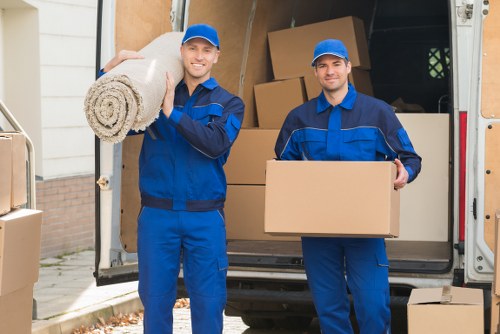 At Man With Van Freezywater, sustainability is built into every stage of our moving and transport services. We know that every clearance, delivery, and relocation can create waste, so we work hard to keep useful items in circulation and reduce the amount sent to landfill. Our Freezywater man with a van service is designed to support residents, landlords, and local businesses with a practical, lower-impact approach to moving.
One of our main goals is to achieve a recycling percentage target of 85% across the reusable and recoverable materials we handle. That includes cardboard, metals, wood, textiles, and suitable household goods. By separating items carefully before disposal, we can send the right materials to appropriate recycling streams instead of mixing everything together. This matters in an area where local waste systems often rely on clear separation between general waste, dry mixed recycling, and bulky-item recovery.
We also help customers understand the value of sorting items by type before a move or clearance. In many nearby boroughs, waste separation is taken seriously, with different collection standards for paper, plastics, garden waste, and food waste. Our team supports that approach by keeping recyclable materials distinct wherever possible, making sure the waste we handle is easier to process at local facilities.
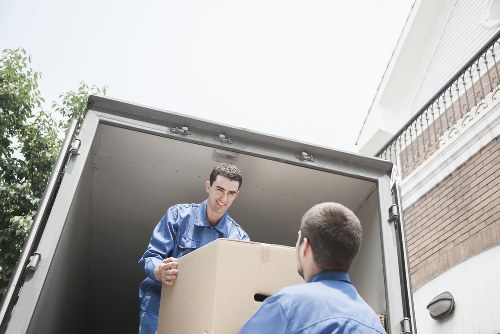 A key part of our sustainability work is using local transfer stations and recovery facilities responsibly. When items cannot be reused, we direct them to approved transfer stations in and around the wider Enfield and north London area, where materials can be assessed for recycling, reuse, or energy recovery. Using these routes helps reduce unnecessary mileage and gives waste a better chance of being sorted into productive streams.
We are careful to match waste types with the right disposal route. For example, clean timber may be sent for processing, metals go into specialist recycling channels, and cardboard from removals is often compacted for paper recovery. This is especially relevant after office clearances, end-of-tenancy moves, and household decluttering jobs, where large quantities of mixed packaging can quickly build up. Freezywater removals should not mean wastefulness.
Where possible, we prioritise reuse before recycling. Items such as furniture, kitchenware, books, and clothing can often be passed on rather than broken down. That is why our Man With Van Freezywater recycling service is designed to identify goods that still have life left in them. Our team separates these items early, which makes them easier to divert away from disposal and into charitable or community channels.
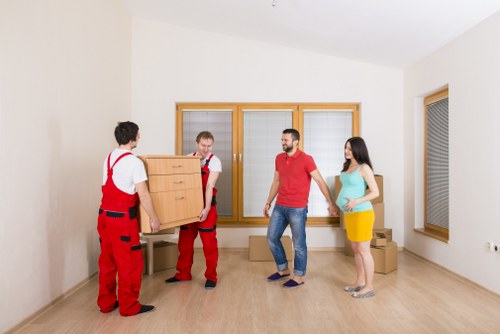 Partnerships with charities are another important part of our sustainability promise. We work with local charitable organisations and reuse partners to help direct suitable items toward donation whenever they meet safety and quality standards. Sofas, tables, chairs, appliances, and household furnishings can often support families, community groups, and local projects, extending the value of items that might otherwise be thrown away.
These partnerships also help reduce the environmental impact of removals. Every item donated means less demand for new materials and less carbon produced in manufacturing replacements. In a busy area such as Freezywater, where homes, flats, and small businesses regularly upgrade furnishings, charity partnerships offer a practical way to keep goods in use and support the wider community at the same time. Recycling with Man With Van Freezywater is therefore not only about disposal, but about making better use of what already exists.
We also keep an eye on local recycling habits and collection rules, because sustainability works best when transport providers match the expectations of the area they serve. Many boroughs encourage residents to separate mixed recyclables, flatten cardboard, rinse containers, and keep electricals apart from general household waste. By following that mindset during van collections, we make it easier for the receiving facilities to process loads efficiently and with less contamination.
 Our vehicle fleet is designed with lower emissions in mind. We use low-carbon vans that are selected for better fuel efficiency and reduced environmental impact. These vans are maintained carefully to keep performance high and emissions low, helping us reduce the footprint of every local journey. Whether we are handling a single-item move or a larger clearance, efficient route planning and modern vehicles make a real difference.
Low-carbon transport matters in a place like Freezywater because many jobs involve short trips between homes, storage units, transfer stations, and donation points. Short-distance moves can still create significant emissions if vehicles are inefficient or routes are poorly planned. By choosing fuel-smart vans and combining collections where appropriate, Man With Van Freezywater sustainability measures help keep carbon output down without compromising service quality.
We also look for operational practices that reduce waste at source. This includes reusing packing materials, avoiding unnecessary plastic, and encouraging customers to keep usable boxes, bubble wrap, and protective covers in circulation. Small steps like these support a broader recycling culture and help ensure that a move does not generate avoidable rubbish. In this way, the service contributes to cleaner streets, lower landfill use, and a more circular local economy.
 Sustainability is not a separate extra for us; it is part of how Freezywater man and van recycling works day to day. From sorting items for reuse, to directing waste through local transfer stations, to supporting charities and using low-carbon vans, we aim to make every move more responsible. Our approach reflects both environmental awareness and the practical realities of moving in a busy local area.
By combining careful waste separation, charitable reuse, and efficient transport, Man With Van Freezywater offers a service that respects both your property and the planet. Whether the job involves household clutter, office equipment, or bulky furniture, we work to keep useful materials in the loop and ensure the remainder is handled in the most sustainable way possible.