Waste Duty of Care in Freezywater: Legal Steps
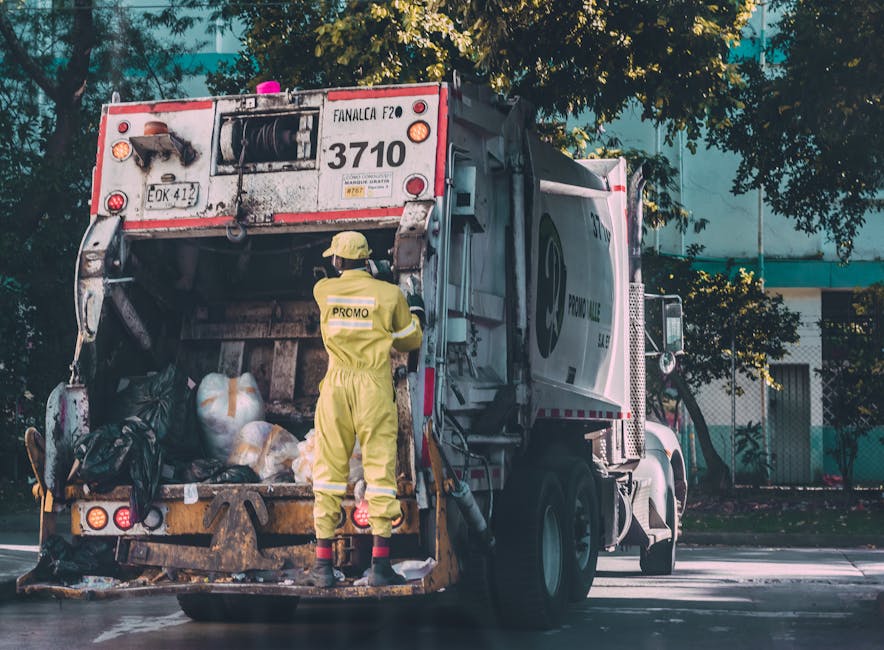
If you are handling rubbish from a move, clear-out, renovation, or business clean-up, Waste Duty of Care in Freezywater: Legal Steps is not just a box-ticking exercise. It is the difference between disposing of waste properly and accidentally creating a problem that can follow you later. That might sound a bit dramatic, but in real life the paperwork, transfer notes, and contractor checks matter far more than people expect.
This guide breaks the subject down in plain English. You will learn what duty of care means, how it works in practice, the legal steps to follow, and how to avoid the mistakes that usually cause trouble. We will also look at where local removals, bulky waste, and recycling decisions fit into the picture, because in Freezywater those things often overlap.
Why Waste Duty of Care in Freezywater: Legal Steps Matters
Waste duty of care is the legal responsibility to make sure your waste is handled safely, transferred correctly, and passed only to people who are allowed to deal with it. That applies whether you are clearing a single flat, emptying a house, or getting rid of office rubbish after a refit. In Freezywater, as in the rest of the UK, the risk is not only environmental. It is also about liability, reputation, and avoiding the kind of issue that starts with "we thought the collector would deal with it."
Let's face it, waste often gets treated as an afterthought. A pile of broken furniture by the front door, a few black sacks in the hallway, a mattress leaning against a wall. Then the job gets rushed. That is when mistakes happen. If waste is fly-tipped, mixed badly, or moved without the right paperwork, the person who produced the waste can still end up with questions to answer.
For local residents and businesses, the practical side is simple: safe disposal protects you from fines, complaints, and avoidable stress. It also helps when you are arranging removals or a larger clear-out, because a tidy and traceable waste plan keeps everything calmer. If you have ever tried to juggle a move, a parking restriction, and a heap of unwanted items all on the same morning, you will know the feeling.
Expert summary: duty of care is about proving your waste went to the right place, by the right route, with the right checks. If you can show that, you are already doing far better than many people who just "get it gone."
How Waste Duty of Care in Freezywater: Legal Steps Works
At its core, the process is straightforward: identify your waste, keep it secure, choose a competent carrier, record the transfer, and make sure the waste ends up somewhere lawful. The details are where people usually stumble. For example, one load from a home move can include cardboard, old paint tins, broken shelves, soft furnishings, electrical items, and garden waste. Each material can have different handling expectations.
In practice, the duty of care works like a chain. You create the waste. You sort it or describe it. You pass it to a carrier. The carrier moves it on. The next person may sort, recycle, treat, or dispose of it. If one link is weak, the whole thing becomes risky. It is a bit like moving a fragile table with one loose strap; it might hold, but you would not bet on it.
For householders, the legal steps are often informal but still real. For businesses, the process is usually more structured, with transfer notes, written descriptions, and checks on the waste carrier. If you are using a removal firm for part of the move and waste collection for the rest, be clear about what is being removed as furniture and what is actually being discarded as waste.
That clarity matters. A sofa going to storage is not the same as a sofa going for disposal. A stack of boxes from packing supplies in Freezywater may be reusable, recyclable, or waste depending on condition. Simple distinction, big consequences.
Key Benefits and Practical Advantages
Following waste duty of care properly does more than keep you on the right side of the law. It also makes the whole move or clearance feel more controlled. You know what is leaving, where it is going, and who is responsible. That sort of certainty is underrated. Not glamorous, but very useful.
- Lower compliance risk: you reduce the chance of being linked to fly-tipping or improper disposal.
- Better accountability: records make it easier to show what happened if anyone asks.
- Cleaner site management: less clutter means safer access for loading and unloading.
- Improved recycling outcomes: reusable and recyclable items are easier to separate early.
- Smoother removals: when waste is dealt with in advance, moving day tends to run better.
There is also a commercial upside. If you are comparing removal services or booking a van, a supplier that understands waste responsibility can save you time and avoid unnecessary backtracking. A well-run move is usually the result of a lot of small things going right.
For larger jobs, careful waste handling can also reduce costs later. Overfilled loads, poor segregation, and last-minute disposal arrangements can create extra charges. If you want the move to stay sensible from a budget point of view, the advice in this pricing guide for Freezywater moves can help you understand where waste-related costs may appear.
Who This Is For and When It Makes Sense
This topic is relevant to more people than you might think. If you are a homeowner, tenant, landlord, student, tradesperson, shop owner, or office manager, you probably generate waste in a way that falls under duty of care. Even a small amount of waste counts. That is the annoying truth of it, but also the useful one.
Here are the most common situations where the legal steps matter:
- House moves: unwanted furniture, damaged packaging, and broken household goods.
- Flat clearances: small-space clear-outs where waste piles up quickly.
- Student moves: old desks, bags of mixed items, food waste, and boxed clutter.
- Office moves: confidential waste, IT equipment, chairs, shelving, and archive material.
- Bulky waste jobs: mattresses, wardrobes, sofas, and white goods.
- Trade and refurbishment work: packaging, offcuts, fixtures, and mixed debris.
If your move is urgent, the risk of skipping steps increases. A same-day job can be perfectly manageable, but only if waste is identified before the van arrives. Otherwise, everyone ends up making decisions on the kerb at the worst possible moment. For more on that pressure-cooker situation, the article on same-day removals in Freezywater is a helpful companion read.
Step-by-Step Guidance
Below is the practical route we would recommend. It is simple enough for a household move, but also structured enough for a business or landlord clearance.
- Identify every waste item clearly. Separate what is staying, what is being donated or reused, and what is genuine waste.
- Describe the waste properly. Be specific about material type, quantity, and whether it includes anything hazardous or awkward.
- Choose a competent carrier. Use a remover or waste operator who can explain how they handle disposal and recycling.
- Ask for proof or records. For business waste especially, you should expect some form of transfer note or written record.
- Keep your own notes. Save quotes, messages, photos of the load, and any collection details.
- Check where the waste is going. You do not need a full transport map, but you do need confidence that the destination is lawful.
- Complete any follow-up actions. This may mean sorting remaining items, cleaning the area, or storing materials temporarily.
A good practical habit is to photograph the waste before it leaves. Nothing fancy. Just a few clear pictures on your phone. If later you need to prove what was handed over, those images can be very useful. It takes two minutes and can save a headache. Easy win.
For heavier or awkward items, plan the move itself alongside the waste plan. The article on handling heavy loads safely is useful if you are dealing with bulky items that could easily be damaged or dropped.
And if your waste includes furniture that may still be useable but no longer wanted, it may be worth checking a broader moving and storage plan first. You may find that storage in Freezywater gives you a little breathing room instead of forcing a rushed disposal decision.
Expert Tips for Better Results
Here is where the small stuff really pays off. In our experience, the people who avoid waste problems are not necessarily the most organised on paper. They are just the ones who make a few smart decisions early.
- Separate reuse from disposal first. If an item can be reused, sold, donated, or stored, do that before it becomes waste.
- Keep hazardous items apart. Paint, oils, batteries, and chemicals should never be tossed into a mixed load.
- Do not rely on vague promises. If someone says they will "sort it later," ask what that actually means.
- Make access easy. Clear hallways and doorways so the collection does not become a chaos dance around the front step.
- Use realistic load sizes. An overloaded vehicle creates more handling risk and more temptation to cut corners.
- Plan for weather. Wet cardboard, damp upholstery, and slippery paths can complicate loading very quickly.
If you are preparing a bigger household clear-out, strategic decluttering can make the legal side much easier because you are simply dealing with less material. The guidance in this decluttering article is a good place to start.
One other point: waste responsibility and safety responsibility usually travel together. If a job feels unsafe, it probably is unsafe. That is exactly why the team's health and safety approach deserves attention before the first item is lifted.
Common Mistakes to Avoid
Most problems come from speed, assumption, or poor communication. Sometimes all three. A small misunderstanding about who is taking what can turn into a much bigger issue once the waste is already on the van.
- Mixing waste with items still needed: this causes confusion and can lead to accidental disposal.
- Using an unverified carrier: if the collector is not competent, the original holder may still face the consequences.
- Ignoring special waste: items that need separate treatment should never be hidden in general rubbish.
- Assuming "someone else sorted it": the duty of care does not vanish because a third party was involved.
- Skipping records: no notes, no proof, no easy defence if the disposal path is questioned.
- Leaving waste outside too early: this can create nuisance, theft, or fly-tipping risk.
One small example: a tenant clears a flat and leaves mixed rubbish near the pavement overnight, thinking collection will happen first thing. Rain hits, bags split, a neighbour complains, and the whole thing suddenly feels bigger than it was. Not ideal. To avoid that sort of thing, the article on end-of-tenancy cleaning is surprisingly relevant, because waste control and final clean-up often go hand in hand.
Another common slip is failing to plan for bulky items properly. A mattress shoved out with the general rubbish is a classic problem. If that sounds familiar, these bed and mattress moving tips can help you handle the item more cleanly and safely before disposal or reuse.
Tools, Resources and Recommendations
You do not need a complicated system to manage waste responsibly. A few simple tools are usually enough.
| Tool or resource | What it helps with | Why it matters |
|---|---|---|
| Basic waste inventory list | Listing items before removal | Stops confusion and helps with accurate descriptions |
| Phone camera | Photo records of the load | Useful if you need to show what was handed over |
| Labels or coloured tape | Sorting items by keep, donate, recycle, or waste | Makes decisions faster on moving day |
| Carrier details and paperwork | Recording who took the waste | Supports compliance and accountability |
| Secure packing materials | Containing loose waste or recyclable material | Prevents litter and damage in transit |
There are also a few supporting pages that can help if your waste issue is part of a bigger move. For example, if you are comparing different moving options, the site's services overview can give context on how removals and related logistics fit together. If you are checking transport options for a tighter move, man with a van in Freezywater and removal services in Freezywater may also be useful starting points.
If waste includes old electronics, damaged appliances, or packaging from appliances, think carefully before treating everything as general rubbish. Appliances often need different handling, and the note on unused freezer storage and appliance care shows why keeping items in the right condition can save you a disposal headache later.
Law, Compliance, Standards, or Best Practice
Without drifting into legal jargon, the key idea is this: if you produce waste, you are responsible for taking reasonable steps to make sure it is managed correctly. In the UK, that means you should know what the waste is, who is taking it, and whether the person handling it is authorised and competent. For businesses, written records are normally expected. For households, the evidence may be simpler, but the responsibility still exists.
Best practice usually includes:
- describing the waste clearly and honestly
- keeping it secure until collection
- checking the credentials of anyone removing it
- retaining records or receipts where appropriate
- separating hazardous, recyclable, and reusable materials
There is a practical difference between legal minimums and sensible best practice. The minimum may stop you getting into trouble; the best practice helps you avoid trouble in the first place. That is the version we prefer, obviously.
For Freezywater residents and businesses dealing with larger moves, local logistics can also affect compliance. Parking, access, and timing matter because a delayed collection can lead to waste being left where it should not be. If your route is awkward or narrow, the advice in this Hertford Road removals guide and this Southbury Road parking article is worth a look, especially if waste collection is happening alongside a move.
And if your project involves large mixed items, you may also find bulky waste removal tips for Freezywater helpful for planning the actual handover.
Options, Methods, or Comparison Table
People usually have three realistic ways to deal with waste during a move or clearance. Each has a place, and the right choice depends on how much waste you have, how awkward it is, and how much time you have available.
| Method | Best for | Pros | Watch-outs |
|---|---|---|---|
| Self-managed sorting | Small domestic clear-outs | Cheap, flexible, full control | Time-consuming; easy to mix items by mistake |
| Removal company assistance | House moves, flat moves, office moves | Less lifting, better coordination, fewer delays | Need to confirm exactly what is waste and what is moving |
| Specialist waste collection | Bulky or irregular waste | Focused handling, stronger compliance habits | May require more planning and clearer descriptions |
In real terms, the most efficient option is often a mix. Keep reusable items out of the waste stream, let a proper mover handle the items that need transport, and use waste collection only for what truly needs disposing of. That way you protect the schedule and the paperwork.
If you are moving in or out of a flat, the logistics can be especially tight, so a page like flat removals in Freezywater may be relevant alongside your waste plan.
Case Study or Real-World Example
Imagine a small Freezywater household preparing to move on a Friday afternoon. There is a wardrobe that cannot fit in the new place, a damaged bookshelf, three bags of mixed clutter, some packaging from white goods, and a few old cables from behind the TV. Nothing outrageous. Just normal-life debris, really.
Instead of dumping everything together, the family breaks it down:
- the wardrobe is measured and checked for resale or reuse
- the bookshelf is set aside as waste because it is beyond repair
- cables and small electronics are separated for proper handling
- cardboard and wrapping are flattened and grouped
- the remaining mixed rubbish is itemised before collection
They photograph the items, confirm the collector's details, and keep a simple note of what went. Nothing fancy. The move goes ahead more smoothly because the waste is no longer an afterthought. The hallway is clearer, the van loading is faster, and there is less last-minute argument about whether a broken item should stay or go. Nice and dull, which is usually what you want on moving day.
If that household had also needed to move furniture separately, a specialist page like furniture removals in Freezywater would have been relevant to the same job. And if a sofa needed protecting before disposal or storage, the advice on sofa storage and protection could have stopped avoidable damage in the meantime.
Practical Checklist
Use this checklist before any waste leaves your property. It is simple, but it catches a lot of the usual problems.
- Have I identified every item that is waste, and every item that is staying?
- Have I separated reusable, recyclable, and hazardous items?
- Do I know who is collecting the waste and where it will go?
- Have I kept photos or notes of the items being removed?
- Have I confirmed the collection time and access arrangements?
- Are any items too large, too sharp, or too awkward to mix with general waste?
- Have I checked whether any paperwork or written record should be retained?
- Is the collection area clear, safe, and easy to access?
- Have I made sure waste is not left on the street or in a communal space longer than necessary?
- Have I double-checked that nothing valuable was accidentally put in the waste pile?
If you are short on time, do the last two checks twice. Seriously. That is usually where the mistakes live.
For readers managing a fast turnaround, the guidance on last-minute move fixes in Freezywater can help you keep things under control when the schedule is already a bit wobbly.
And if you are comparing different local providers, the page on removal companies in Freezywater is a sensible place to understand the wider service landscape before making a choice.
Get a free quote today and see how much you can save.
Conclusion
Waste duty of care may not be the most exciting part of a move or clearance, but it is one of the most important. The good news is that it becomes manageable once you treat waste as a planned part of the job rather than the messy bit you deal with at the end. A bit of sorting, a bit of record-keeping, and a proper understanding of who is taking what can make all the difference.
In Freezywater, where moves, parking, tight access, and bulky items often overlap, that extra care is worth it. You protect yourself, you protect the street, and you make the whole process less stressful. That is a decent trade-off by any measure.
Take the steps calmly, keep the records simple, and do the job properly the first time. It really does save time, and more importantly, it saves worry.
Frequently Asked Questions
What is waste duty of care in simple terms?
It is your responsibility to make sure waste is stored, transferred, and disposed of properly. You do not have to personally transport it, but you do need to know it is being handled lawfully and by a competent party.
Does waste duty of care apply to households in Freezywater?
Yes. It applies to anyone who produces waste. Households usually deal with it more informally than businesses, but the responsibility is still there.
Do I need paperwork for a small domestic clear-out?
Not always in the formal business sense, but it is still smart to keep a note of who collected the waste, what it was, and when it was taken. A quick photo helps too.
What happens if waste is fly-tipped after I hand it over?
If you failed to check who you gave it to, you may still face questions. That is why using a competent carrier and keeping records matters so much. It is about showing you took reasonable steps.
Can a removal company take waste as well as furniture?
Sometimes yes, but only if the arrangement is clear. Be very specific about which items are being moved and which are being discarded. Mixed assumptions are where people get into trouble.
How do I know if something counts as waste or reusable items?
Ask whether it still has a practical use. If it can be donated, sold, repaired, or stored, it may not need to enter the waste stream yet. If it is broken beyond reasonable use, then it usually does.
What should I do with bulky items like sofas or mattresses?
Plan them separately. Bulky items can be awkward to move, can block access, and may need special handling. Do not just add them to a mixed pile and hope for the best.
Is it okay to leave waste outside overnight before collection?
Only if you are confident it will not create a nuisance or risk. In many cases it is better to keep waste secured until the actual collection time to avoid weather damage, obstruction, or complaints.
What records should a business keep?
Businesses should keep clear written records of what was transferred, who took it, and where possible the nature of the waste. The exact format can vary, but the principle is simple: be able to show what happened.
How does waste duty of care affect a same-day move?
It makes preparation more important, not less. When the timeline is tight, you need to know in advance what is waste and what is being moved. That helps avoid rushed decisions on the day.
What is the easiest way to stay compliant during a move?
Sort items early, choose a trustworthy carrier, keep simple records, and do not mix waste categories unless you are sure they can be handled together. That routine covers most of the risk.
Can waste handling be included in a bigger removals plan?
Yes, and that is often the smartest approach. When waste, packing, transport, and access are planned together, the move tends to run more smoothly and with fewer surprises.