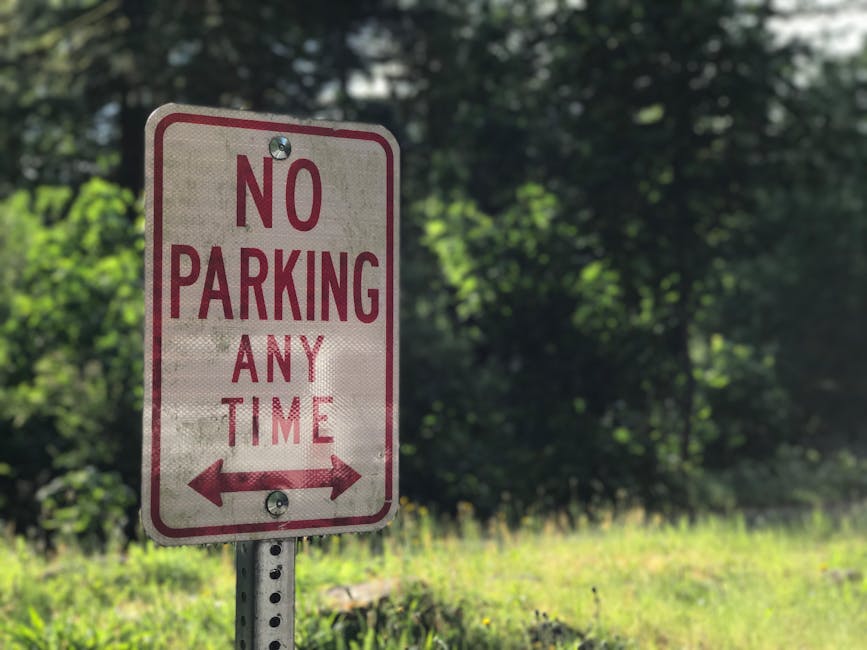
Southbury Road Moves: Navigating Parking & Restrictions
Moving on or around Southbury Road can look straightforward on a map and then become surprisingly fiddly at street level. A van that fits in theory may not fit where you need it. A loading bay may be occupied. A neighbour's car, a tight bend, a school run, or a time-restricted bay can all turn a simple house move into a slow, expensive morning. That is exactly why Southbury Road Moves: Navigating Parking & Restrictions deserves proper planning.
This guide breaks the whole process down in plain English. You will see how parking and access issues affect removals, what to check before move day, how to avoid the classic mistakes, and which practical steps make the biggest difference. If you are planning a home move, flat move, or even a small office relocation, a little preparation here saves a lot of stress later. Truth be told, parking is often the part people underestimate most.
Table of Contents
- Why Southbury Road Moves: Navigating Parking & Restrictions Matters
- How Southbury Road Moves: Navigating Parking & Restrictions Works
- Key Benefits and Practical Advantages
- Who This Is For and When It Makes Sense
- Step-by-Step Guidance
- Expert Tips for Better Results
- Common Mistakes to Avoid
- Tools, Resources and Recommendations
- Law, Compliance, Standards, or Best Practice
- Options, Methods, or Comparison Table
- Case Study or Real-World Example
- Practical Checklist
- Conclusion
- Frequently Asked Questions
Why Southbury Road Moves: Navigating Parking & Restrictions Matters
Parking and access can make the difference between a smooth moving day and one that drags on well into the afternoon. On busy residential roads, the removal van may need to stop farther away than expected, which means longer carrying distances, more labour, and extra care with large or fragile items. That can slow everything down, especially if you are moving from a flat, an upper-floor property, or a home with narrow front access.
With Southbury Road moves, the challenge is not just finding a place for the van. It is understanding the whole picture: whether there are waiting restrictions, whether the route has school-time congestion, whether temporary loading is allowed, and whether residents' parking or access rules apply. Miss one of those details and you may find yourself juggling delays before the first box is even lifted.
Parking restrictions matter for another reason too: safety. A badly positioned vehicle can block traffic, force awkward lifting angles, or create avoidable hazards for pedestrians. In our experience, the best move days feel boring in the right way. The van arrives, space is ready, and the team gets on with the job. No drama. No circling the block. Just steady progress.
If you are already thinking about packing, decluttering, or fragile furniture, it helps to treat parking as part of the moving plan rather than an afterthought. Guides like packing like a pro and strategic decluttering also become more useful when the physical access route is clear and well organised.
How Southbury Road Moves: Navigating Parking & Restrictions Works
The practical side of a Southbury Road move starts before move day. You identify where the van can safely stop, how long it can stay, and what the driver needs in order to load without causing disruption. That might sound obvious, but the details vary from property to property. One house may have a short driveway and plenty of kerb space. Another may rely entirely on roadside parking, with traffic passing close by all morning.
Typically, the process is a mix of route planning, parking confirmation, and timing. The mover checks the property access, then considers whether a van can park directly outside or whether a nearby legal space must be used. If parking control is in place, the next step is to understand the limits: loading-only areas, resident bays, time-limited bays, suspended spaces, yellow lines, or general stop restrictions. You do not need to memorise every rule, but you do need a plan that respects them.
There is also the human side. A careful crew will look at stairs, door widths, surface conditions, and whether larger items like sofas, beds, or appliances can be moved in one clean route or need dismantling first. For instance, if a mattress has to be carried from a distant parking spot, it is worth checking in advance whether that extra distance changes the moving sequence. A small thing? Maybe. But it matters.
For larger or more delicate items, specialist handling can help reduce risk. If your move includes heavy furniture or awkward items, it may be worth reviewing advice on safe solo lifting techniques and moving beds and mattresses efficiently. That kind of preparation keeps the job practical, not frantic.
Key Benefits and Practical Advantages
Good parking and restriction planning does not just prevent problems. It actively improves the whole move. The first benefit is time. When the van is positioned properly, loading and unloading happen faster. That can be a real advantage if you are moving into a flat with neighbours coming and going, or if you need to stay within a narrow access window.
The second benefit is reduced handling distance. Even a short extra walk from the van to the door adds up when you are carrying box after box. It adds more fatigue, more chance of bumping into walls or doorframes, and more strain on larger items. A near-door parking spot can make a moving day feel half as long. Well, almost.
The third benefit is lower risk of frustration. People often think the stressful part of moving is the packing. Fair enough. Packing is stressful. But parking surprises can create the kind of last-minute panic that throws everything else off balance. Planning the access route ahead of time reduces those surprise moments, and that can make the whole experience feel more controlled.
There is also a commercial benefit if you are comparing removal options. A team that understands access planning, parking constraints, and local conditions can often give a more realistic quote and timeline. That is one reason many people look at broader support such as removal services and pricing and quotes before settling on a moving plan.
| Planning Area | What It Improves | Typical Risk If Ignored |
|---|---|---|
| Parking location | Faster loading and unloading | Long carries, delays, extra effort |
| Restriction checks | Fewer interruptions and fewer warnings | Illegal stopping or enforced move-on |
| Access route | Safer handling of furniture and boxes | Scratches, strain, awkward lifting |
| Timing | Smoother coordination with neighbours or building rules | Congestion, missed windows, rushed work |
Who This Is For and When It Makes Sense
This matters for anyone moving in the Southbury Road area, but some people feel the impact more than others. If you live in a flat, parking becomes a very real issue very quickly. A few flights of stairs plus a limited stopping place can be enough to turn a simple move into a long, sweaty one. Let's face it, nobody wants to carry a wardrobe down a stairwell twice because the van had to park two streets away.
It also makes sense for families with children, older movers, students, and anyone with a tight move schedule. If the move is happening on a weekday, school traffic and commuter patterns may influence the best loading time. If the move is on a weekend, residential parking availability can still be tight. Different day, same headache, sometimes.
Commercial moves need this planning too. Small offices and home-based businesses often have equipment, office chairs, filing cabinets, monitors, and boxed stock that need quick loading with as little disruption as possible. For that reason, many people combine move planning with support from office removals or, for more compact jobs, man and van services.
If your property has access quirks, you are a good candidate for extra planning. This includes shared driveways, low-hanging branches, narrow kerbs, basement entries, or awkward corners. These are the little details that do not look dramatic on paper, but they matter on the day. They really do.
Step-by-Step Guidance
Here is a practical way to organise a Southbury Road move without losing track of the parking side of things.
- Inspect the property frontage. Walk outside and check where a van could stop safely. Look for signs, yellow lines, resident bays, dropped kerbs, and any obvious obstructions such as bins or overgrown hedges.
- Note time-sensitive restrictions. Some spaces are fine outside certain hours but not others. Make a note of anything that could affect loading, especially if your move starts early in the morning or late afternoon.
- Measure the access route. Check gate widths, doorway space, stair turns, and anything that might affect large items. It is much easier to know in advance than to discover it while carrying a sofa.
- Match the van size to the access. A bigger van may fit more, but not every road suits a larger vehicle. Sometimes a smaller van or a split-load approach is the smarter option.
- Prepare the bigger items first. Beds, mattresses, appliances, and bulky furniture should be ready to move as soon as the van arrives. If needed, dismantle items ahead of time. A bit of prep goes a long way.
- Coordinate timing with neighbours or building rules. In flats and terraces, access often depends on courtesy as much as logistics. A quick heads-up can reduce friction.
- Have a fallback plan. If the closest space is taken, decide in advance where the next legal stopping point is. This stops the team from improvising under pressure.
For packing support, see packing and boxes, which pairs well with planning around access. If your move is last-minute or time-sensitive, you may also find same-day removals useful, provided the parking side has been thought through first.
Expert Tips for Better Results
Start with the easiest win: keep the loading zone as close to the property entrance as legally and safely possible. That sounds almost too simple, but it is one of the biggest time-savers there is. If a bay can be used for loading, confirm that you understand the time limit and whether the van needs to stay attended. Small details, big impact.
Another useful habit is to create a "first out" zone inside the property. Put the items that need to reach the van first near the door the evening before. That might be boxes, lamps, kitchen bits, or dismantled furniture parts. When the vehicle arrives and the parking situation is live, you are not wandering around trying to remember where the kettle went.
Choose packing materials with transport distance in mind. If the van cannot park directly outside, stronger boxes and better wrapping matter more than usual because the items may be carried farther. This is where packing advice and the right moving boxes genuinely pay off.
One more tip: protect the items that are most likely to slow things down. A scratched mirror, an awkward piano bench, or a heavy appliance can interrupt the rhythm of the day. If you have specialist pieces, reading about piano moving expertise or appliance care and transport can help you decide whether extra handling support is worth it.
And yes, if your sofa looks as if it might scrape a wall on the way out, protect it properly. There is a reason people spend time on sofa protection and storage tips. It is not fussy. It is sensible.
Common Mistakes to Avoid
The most common mistake is assuming that parking will "sort itself out." It usually does not. If the closest space is gone, the whole timing chain changes. What feels like a tiny setback can create a cascade of slower loading, more walking, and more pressure on the crew. Nobody wants that before lunch.
Another mistake is forgetting to check restrictions for the actual move window, not just the hour before or after. A road that looks fine at 8 a.m. may be far less accommodating by 9:30 a.m. Similarly, a space that is technically legal for stopping may not be practical if traffic is heavy or the bay is likely to be occupied.
People also underestimate the effect of poor packing on parking problems. If the van has to park farther away, fragile items need to be even better secured. Loose box flaps, overfilled bags, and badly wrapped furniture become more vulnerable when the carry distance is longer. If you are a bit rushed, the temptation is to skip those details. Resist that urge.
Other mistakes include:
- leaving large items assembled when they should be dismantled;
- not reserving enough space for the van to access safely;
- failing to warn neighbours about temporary loading disruption;
- ignoring weather conditions, especially rain and slippery surfaces;
- assuming every street has the same parking rules as the last one.
There is a pattern here: most problems come from assumptions. Quick ones. Innocent ones. Still costly.
Tools, Resources and Recommendations
You do not need a truck full of specialist gear to manage a move well, but a few tools make life easier. A tape measure is one of them. It helps with vehicle access, furniture dimensions, and awkward stair turns. A good hand trolley or sack truck can also reduce strain if items need to be moved from a legal parking spot that is not directly outside the property.
Labels matter more than people think, especially if parking limits force a quicker load sequence. Colour-coded labels, room stickers, and a simple inventory list can save time at the delivery end. If boxes are clearly marked, the crew can place them efficiently instead of stopping to ask what goes where. That sounds small. It is not.
For trusted moving support, it helps to compare service types and understand which one fits the job. You might review removal services, look at removal van options, or explore general removals support if you are weighing up different approaches. For local credibility and company background, the about us page is also worth a look.
If you want to reduce the volume before the move, a little decluttering pays for itself fast. It is often easier to move fewer items than to fight for parking space while carrying things you no longer need. For extra context, see strategic decluttering guidance. And if your plans involve short-term holding space, storage solutions can be a practical bridge between homes.
Law, Compliance, Standards, or Best Practice
Parking rules vary by street, borough, and road markings, so it is wise to check local restrictions rather than rely on habit or memory. In the UK, loading and waiting rules may be affected by traffic signs, road markings, permit zones, resident bays, and local enforcement practices. If anything looks unclear, the safest approach is to confirm it before move day, not during it.
Best practice is straightforward: park legally, avoid blocking access, keep pedestrian routes clear where possible, and avoid creating unsafe lifting conditions. If a move involves a public road, the driver and moving team should respect the highway and any applicable local controls. That applies whether the job is large or small.
From a safety perspective, removal work should follow sensible manual handling practice. Heavy items should be lifted with the right equipment or enough help, and routes should be checked so that people are not carrying weight over uneven ground or through narrow spaces unnecessarily. If you want a broader view of the company's approach, the pages on health and safety policy and insurance and safety offer useful reassurance.
For business or customer protection, it also helps to understand payment terms and service expectations in advance. The move day goes more smoothly when everyone knows what is included and what is not. That is why pages such as terms and conditions and payment and security matter more than they first appear to.
Options, Methods, or Comparison Table
Not every Southbury Road move needs the same approach. The best method depends on parking access, property type, and how much you are moving. Below is a simple comparison to help you decide what suits your situation.
| Method | Best For | Pros | Watch Out For |
|---|---|---|---|
| Direct roadside loading | Properties with legal space close to the entrance | Fastest loading, least carrying | Requires clear access and compliant parking |
| Short carry from nearby legal parking | Busy residential roads or restricted frontage | Flexible, often easier to fit around restrictions | Longer labour time and more risk with bulky items |
| Split-load approach | Moves with less parking certainty or multiple trips | Can reduce pressure on a single parking window | Requires good scheduling and clear item prioritisation |
| Smaller van access strategy | Narrow roads, tight turns, limited stopping space | More manoeuvrable, easier to place | May require more than one run if volume is high |
For many households, a man-and-van approach is enough. For larger homes, family relocations, or bulky furniture, a more structured house removals service can be the better fit. If you need a compact and flexible crew, man with a van is often a sensible middle ground.
Case Study or Real-World Example
Here is a realistic example from a typical move scenario. A couple moving from a first-floor flat near Southbury Road had a sofa, a bed frame, two wardrobes, and about thirty boxes. On paper, it looked like a straightforward half-day job. The catch was parking. The closest spaces were shared residential spots, and the frontage outside the building was only briefly available during the early morning.
Rather than wait and hope, the move was planned in stages. The couple packed the non-essentials first and kept a clear route near the front door. The larger items were dismantled the night before. The crew arrived with a smaller van that could fit more comfortably into the available space, and the loading sequence started with the heaviest pieces while the space was clear. That mattered, because by mid-morning the street had filled up a bit. Of course it did.
The move still took effort, but it stayed controlled. No last-minute argument over parking. No blocked entrance. No awkward shifting of a wardrobe from one parked position to another. The difference came from noticing the restrictions early and planning around them rather than trying to improvise on the day.
If the flat had also needed deep cleaning before handover, the couple could have paired the move plan with security deposit cleaning tips to reduce the end-of-tenancy rush. That kind of joined-up thinking is often what makes the whole process feel manageable.
Practical Checklist
Use this checklist in the days leading up to your move. It is simple, but it covers the things people forget when they are busy.
- Check parking signs and road markings outside both properties.
- Confirm the best loading time based on local restrictions and traffic.
- Measure doors, stairs, corners, and any narrow access points.
- Decide where the van can legally stop if the first choice is unavailable.
- Set aside packing materials, labels, tape, and furniture protection.
- Dismantle bulky items if that will make loading safer and faster.
- Keep essentials and documents separate from the main load.
- Tell neighbours or building management if access may be briefly affected.
- Check whether large or specialist items need extra handling support.
- Review insurance, safety, and service terms before move day.
Expert summary: The smoothest Southbury Road moves are rarely the ones with the biggest van or the fastest crew. They are the ones where parking, timing, and access have been thought through early. That one step turns a chaotic day into a workable one.
Conclusion
Southbury Road moves become much easier when parking and restrictions are treated as part of the move plan, not a separate issue. If you know where the van can stop, how long it can stay, and what the access route looks like, you remove a huge amount of uncertainty from the day. That means fewer delays, less lifting stress, and a better experience for everyone involved.
The best preparation is usually calm, practical, and a little unglamorous. Check the rules. Measure the space. Pack properly. Choose the right moving support. It is not flashy, but it works. And honestly, that is what most people need on moving day.
For the best results, combine smart parking planning with reliable packing, sensible handling, and a moving service that understands local access issues. If you are still weighing up the details, start with a quote, compare your options, and build a plan that fits your property rather than fighting it.
Get a free quote today and see how much you can save.
With a little forethought, even a tight road and a few restrictions can feel manageable. One careful step at a time, and the move gets done.
Frequently Asked Questions
How do I know if parking outside my Southbury Road property is allowed on moving day?
Check the road markings, signs, and any resident permit information before the move. If anything is unclear, it is safer to plan an alternative legal stopping point rather than assume the space is available.
Should I arrange parking before the removal van arrives?
Yes, if possible. Even a rough plan for where the van will stop can save a lot of time. It also helps the crew load safely and avoids the scramble of finding space at the last minute.
What if the closest parking space is taken when the van arrives?
Have a backup option ready. That might be a nearby legal bay, a different side of the road, or a slightly longer carry route. A fallback plan keeps the move moving, which sounds obvious, but it matters.
Do parking restrictions affect the cost of a move?
They can, depending on how much extra time, labour, or handling is involved. If access is tight or parking is far from the property, the job may take longer and require more care.
Is a smaller van better for narrow roads and tight parking?
Often, yes. A smaller van can be easier to position on busy or restricted streets. The trade-off is that it may need more than one trip if you have a lot to move.
What items are most affected by difficult parking access?
Bulky and awkward items tend to suffer most: sofas, wardrobes, beds, mattresses, appliances, and pianos. These items are harder to carry over longer distances and need better protection.
Can I move house on a weekday without hitting heavy traffic?
You can, but weekday traffic patterns vary and school runs can complicate things. Earlier starts are often easier, but the right time depends on your road, your property, and local restrictions.
What should I do the night before a move to make parking easier?
Prepare the front area, dismantle bulky furniture if needed, and put first-load items near the exit. The less time spent organising inside the property, the quicker the van can be loaded once parking is secured.
Do flats on Southbury Road need different planning from houses?
Usually, yes. Flats often involve tighter access, stairs, shared entrances, and less predictable parking. That combination makes pre-planning more important than it is for many houses.
What if I also need storage between moving dates?
That can be a smart solution if your new place is not ready yet or if parking access makes a same-day transfer difficult. Short-term storage can reduce pressure and keep the move more organised.
How do I reduce the risk of damage when the van cannot park close by?
Use stronger boxes, wrap fragile items properly, protect furniture edges, and keep heavier pieces balanced. A longer carry route means items are exposed to more handling, so the packing needs to be better, not looser.
What kind of moving service is best for restricted parking areas?
It depends on the volume and the layout, but flexible services such as man-and-van or tailored house removals are often a good fit. The best choice is the one that matches your access conditions instead of forcing a one-size-fits-all approach.